by Graham Fry | Sep 18, 2019 | Technoweld
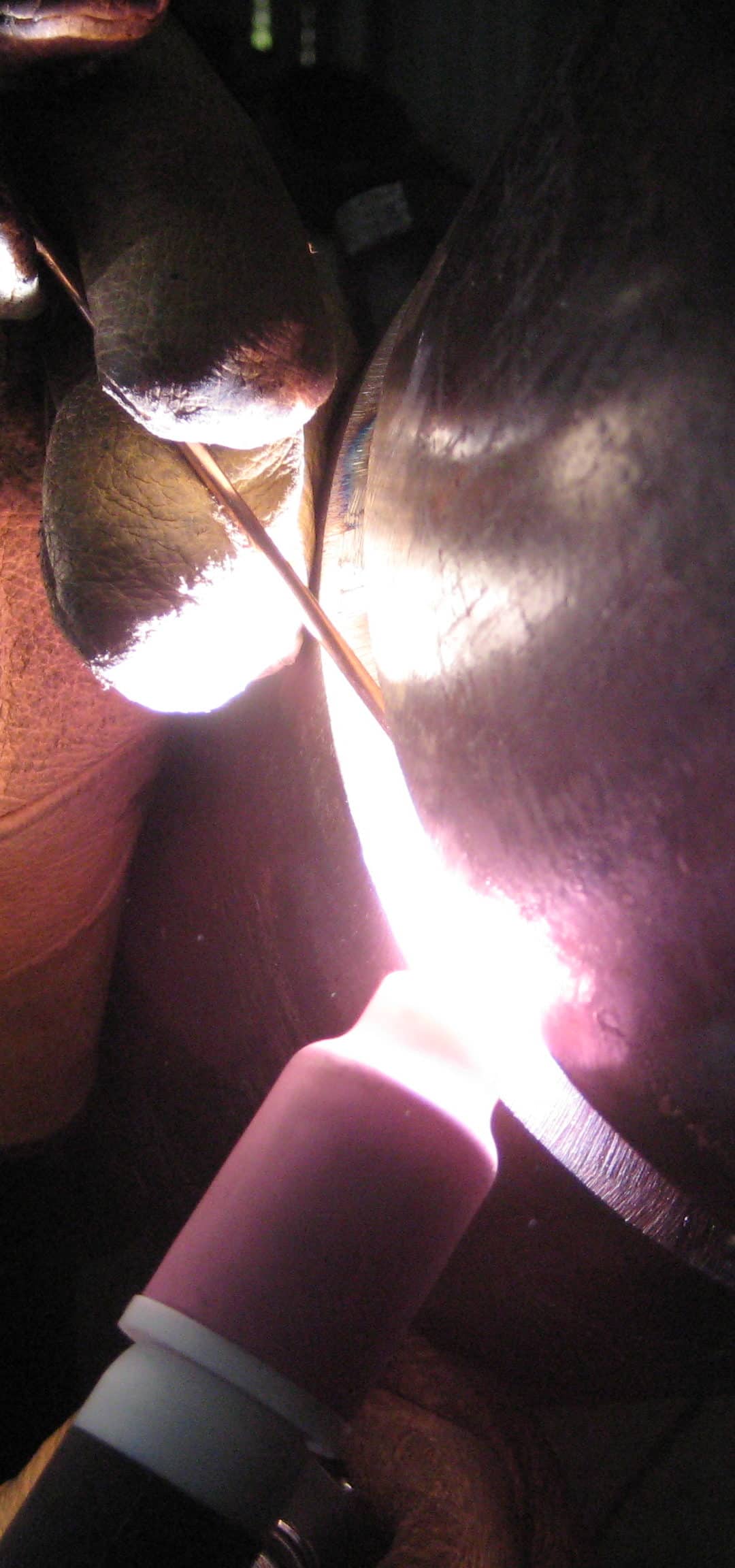
Gas Tungsten Arc Welding (GTAW also referred to as TIG) uses a non-consumable tungsten electrode to create an arc between the electrode and the parent material. This arc creates a molten pool to which a filler wire is added. The success of TIG welding depends on a...

by Graham Fry | Aug 30, 2019 | Technoweld
Gas tungsten arc welding is a process where a non-consumable tungsten electrode is used to produce the weld. Welders can encounter various issues in the GTAW process so we have compiled our best practice advice for gas tungsten arc welding in an effort to prevent or...

by Graham Fry | Jul 30, 2019 | Technoweld
In short: distortion happens because the weld metal and the heated parent metal expand, then shrink as they cool, and the shrinkage pulls the part out of shape. It shows up as longitudinal and transverse shrinkage, angular distortion and buckling. Control it before...

by Graham Fry | Jul 17, 2019 | Technoweld
At Technoweld, we are often approached about the best practice for welding, in particular, GTAW (TIG welding) of a pipe. We’ve compiled some best practices around pipe joints. This blog is important for those completing the welding tickets as it is specifically...
by Graham Fry | Jun 14, 2019 | Technoweld
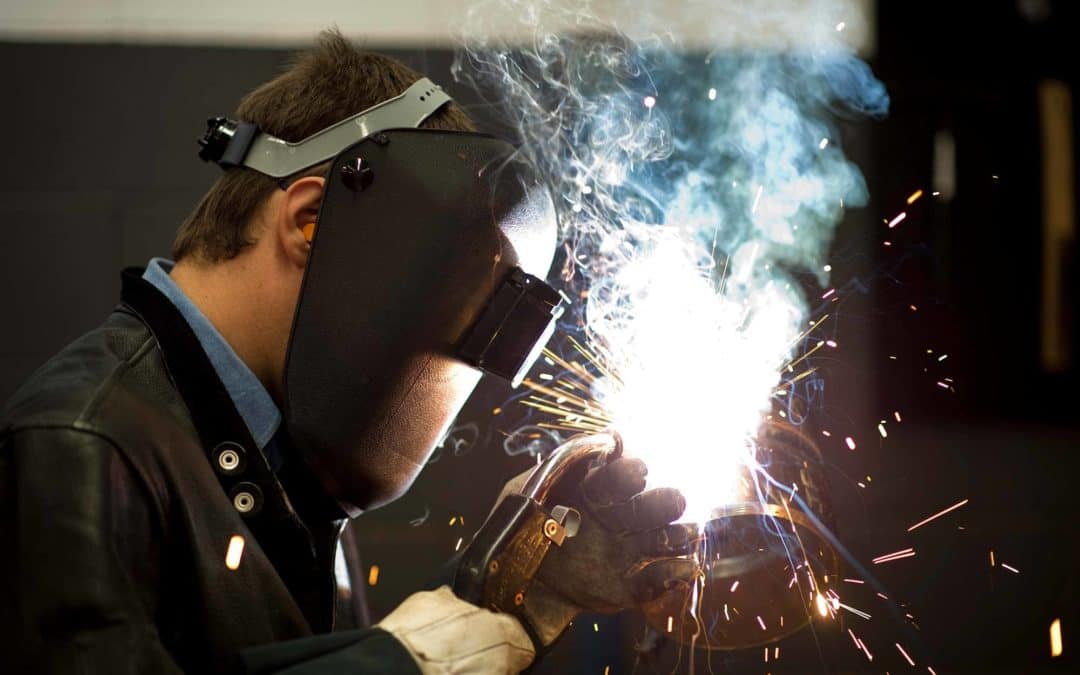
In part 3 of the Gas Metal Arc Welding (GMAW) blog, we will discuss the power circuit. Often people forget the basics when setting up gas metal arc welding machines, it’s these basics that create a lot of frustration with welders. Welding is complex but it doesn’t...

by Graham Fry | Jun 11, 2019 | Technoweld
Mechanical property is a material’s capacity to cope with a range of applied external forces such as shear stresses, load, weather conditions, and time. Mechanical engineers can measure the ability of the metal to resist shearing, stretching, twisting, compressing or...