
Coating Inspection, NATA Accredited
Contact us for a quoteTechnoweld inspects protective coatings on structural steel, pressure equipment and plant for asset owners, builders, engineers, fabricators and applicators. We check surface preparation, application conditions, film thickness, cure, adhesion and continuity against your coating specification, under NATA accreditation as a Type A inspection body. You get a photographed report that says whether the coating complies, before it’s accepted.
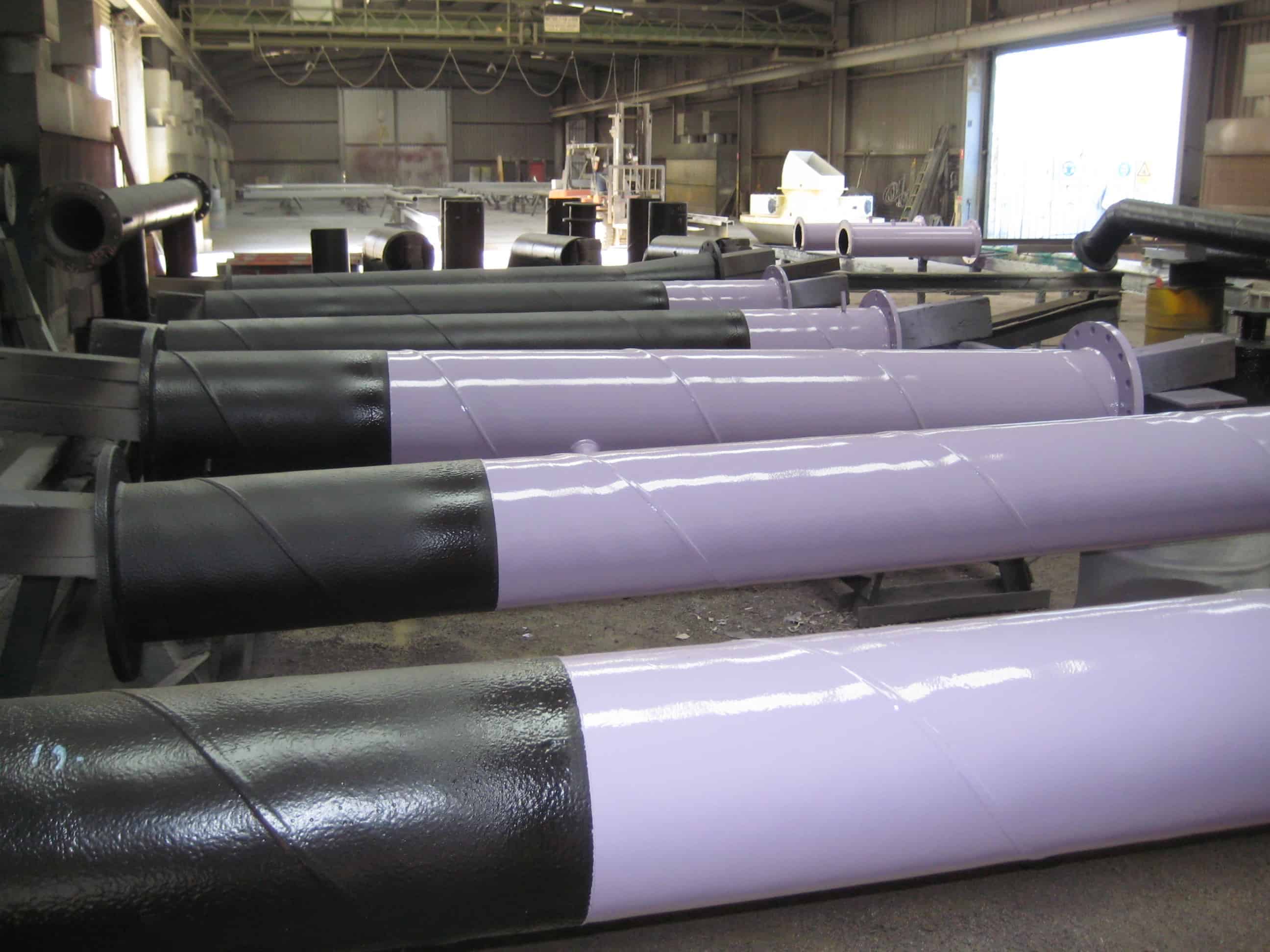
Most coating failures are decided before the paint goes on
A coating system is only as good as the surface under it. Salts left on the steel, a blast profile too shallow for the primer, paint applied with the steel below the dew point, a thin coat over the welds, a recoat window missed. None of it shows on the day.
It shows when the coating starts lifting years before the first planned maintenance. The longer the time to first maintenance, the better the return on the capital spent, and independent inspection at the hold points is how you get the life the system was specified for.
What we inspect
Before coating
- Coating specification and inspection and test plan reviewed, with hold points agreed
- Products, batch numbers and shelf life checked against the specification and data sheets
- Surface defects dressed before blasting: sharp edges, weld spatter, slivers and laminations
- Surface cleanliness assessed against AS 1627.9
- Surface profile measured
- Soluble salts and other residual contaminants tested
- Steel temperature, dew point and relative humidity recorded
During application
- Ambient conditions checked through each coat
- Wet film thickness, stripe coats on edges and welds, and recoat intervals
- Overcoat windows
- Contact points
After application
- Dry film thickness
- Degree of cure
- Adhesion
- Holiday (continuity) testing of linings and immersion coatings
- Visual inspection for runs, sags, pinholes, dry spray, overspray and damage
- Repairs re-inspected before release
Accredited, and tested to the AS 3894 series
Technoweld is accredited by NATA as a Type A inspection body to ISO/IEC 17020 (Accreditation No. 19221). The scope covers coated and corroded surfaces: surface preparation against AS 1627.9, and site testing of protective coatings to AS 3894.1, AS 3894.3, AS 3894.4, AS 3894.5, AS 3894.6, AS 3894.7 and AS 3894.9.
Where the specification calls up AMPP methods, formerly SSPC and NACE, we test to those, and the report states which method was used.
Who inspects
Our coating inspectors are qualified through the NACE Coating Inspector Program to Level 2 or 3. NACE International and SSPC merged in 2021 to form AMPP, which now runs the program as the AMPP Coating Inspector Program (CIP).
Coating inspection sits alongside our welding inspection. On a fabrication job the same team can cover the welds, the NDT and the coating hold points, so nothing gets painted over before it’s been released.
When a coating has already failed
We investigate premature coating failures: what failed, where in the system, and why. Surface preparation, application, product selection and service conditions are each tested against the evidence, and the report is written to stand up in a warranty claim or a dispute. Where it goes further, our expert witness service takes it from there.
Where we work
Our head office and NATA accredited site is at Wingfield, South Australia, and we have a second site at Prestons, New South Wales. We inspect in blast and paint shops, fabricators’ workshops and on site, for clients in South Australia, New South Wales and around the country.
What you get
- A photographed report for every visit, stating the specification and test methods applied, with every reading and where it was taken
- Nonconformances raised in writing, with repairs re-inspected before they’re closed
- Hold point releases signed promptly, so the next coat isn’t held up
- Our NATA accreditation number on every report
Questions clients ask
When should we bring a coating inspector in?
Before the project starts and certainly prior to the first blast. We review the specification and the applicator’s ITP, agree the hold points, and are there when the surface is prepared, because that’s the stage nobody can check once it’s covered.
Isn’t the applicator’s own QA enough?
It’s a start. The applicator’s records show what the applicator measured. An independent inspection body checks the same surface without a stake in passing it, and that’s what an asset owner or principal is relying on.
Which standards do you inspect to?
Your coating specification first. Site tests are to the AS 3894 series and surface cleanliness to AS 1627.9, or to AMPP methods where the specification calls them up.
Can you work out why our coating failed?
Yes. We inspect the failure on site, test what’s left of the system, review the application records and report the cause.
Can you inspect the welding and the coating on the same job?
Yes. We inspect the welds, review the NDT and release the steel for coating, then inspect the coating through each hold point.
What qualifications do your coating inspectors hold?
NACE Coating Inspector Level 2 or 3, a program now run by AMPP, alongside the team’s welding inspection qualifications.
Get the surface right before it’s covered
Tell us the coating specification, the items, the location and the hold points you need covered, and we’ll quote the inspection.