
Technoweld News
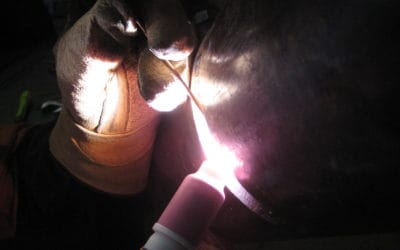
What type and size of electrode should you use for GTAW and why?
Gas Tungsten Arc Welding (GTAW also referred to as TIG) uses a non-consumable tungsten electrode to create an arc between the electrode and the parent material. This arc creates a molten pool to which a filler wire is added. The success of TIG welding depends on a...
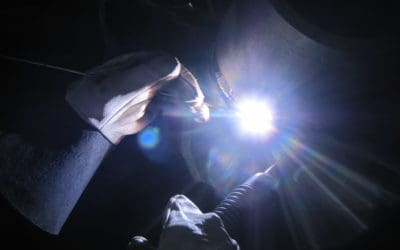
Gas Tungsten Arc Welding best practice
Gas tungsten arc welding is a process where a non-consumable tungsten electrode is used to produce the weld. Welders can encounter various issues in the GTAW process so we have compiled our best practice advice for gas tungsten arc welding in an effort to prevent or...
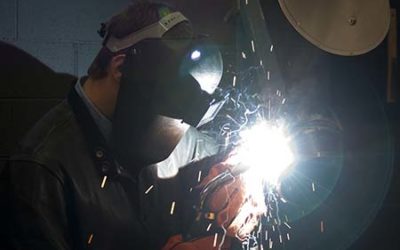
Basics of distortion in welding
In short: distortion happens because the weld metal and the heated parent metal expand, then shrink as they cool, and the shrinkage pulls the part out of shape. It shows up as longitudinal and transverse shrinkage, angular distortion and buckling. Control it before...

Best practice for GTAW (TIG welding) of pipe joints
At Technoweld, we are often approached about the best practice for welding, in particular, GTAW (TIG welding) of a pipe. We’ve compiled some best practices around pipe joints.
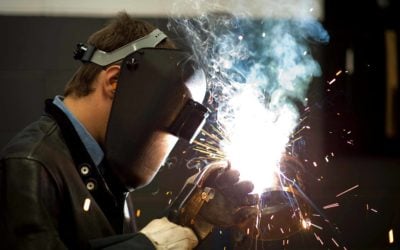
Gas Metal Arc Welding – Power Circuit
In part 3 of the Gas Metal Arc Welding (GMAW) blog, we will discuss the power circuit. Often people forget the basics when setting up gas metal arc welding machines, it’s these basics that create a lot of frustration with welders. Welding is complex but it doesn’t...
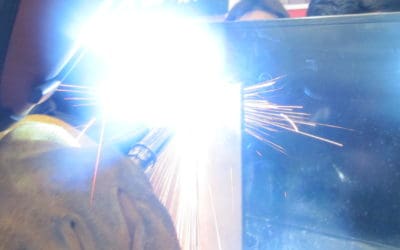
An overview of the mechanical properties of metals
Mechanical property is a material’s capacity to cope with a range of applied external forces such as shear stresses, load, weather conditions, and time. Mechanical engineers can measure the ability of the metal to resist shearing, stretching, twisting, compressing or...
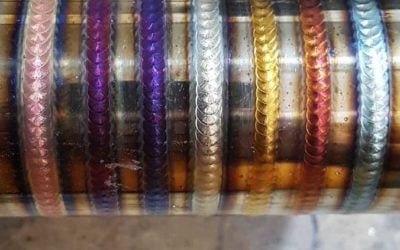
Why do we use Colour in Welding?
You may be a sculptor creating a new piece of welded steel artwork, the colours are unlike anything else. Welding in itself is an art. The various colours of both welds and adjacent metals do not just look great, the colours indicate a lot about the weld. They combine to enhance the finished object.
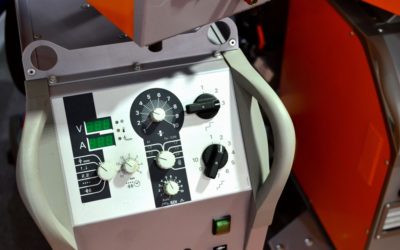
The Basics of Electricity in Welding
Arc Welding is the process by which two pieces of metal are joined together by the use of electrical energy. Arc welding creates an electric arc that melts the base metal and typically a filler wire. The subsequent pool of molten metal then solidifies and fuses the edges of the parent material to join the metal together…
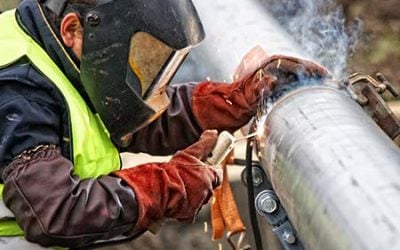
WPS, PQR and WPQ: The Acronym Soup Explained
In short: the pWPS is the draft procedure. The PQR records the test weld and its results. The WPS is the approved procedure, written from the PQR, that welders use on the job. The WQT or WPQ qualifies the welder, not the procedure. Most jobs need both a qualified...