
Sectors
Infrastructure
Welding compliance, inspection and engineering for infrastructure projects, from design through to commissioning and through-life support.
- NATA Accreditation No. 19221
- ISO/IEC 17020 Type A inspection body
- ISO 9001:2015 certified
- International Welding Engineer sign-off
- Offices in SA and NSW. Working nationally and overseas.
Who We Work For
- Asset owners
- EPCMs
- Contractors and fabricators
- State Government Departments
We have worked at each of those levels, so we know what each one has to prove to the next.
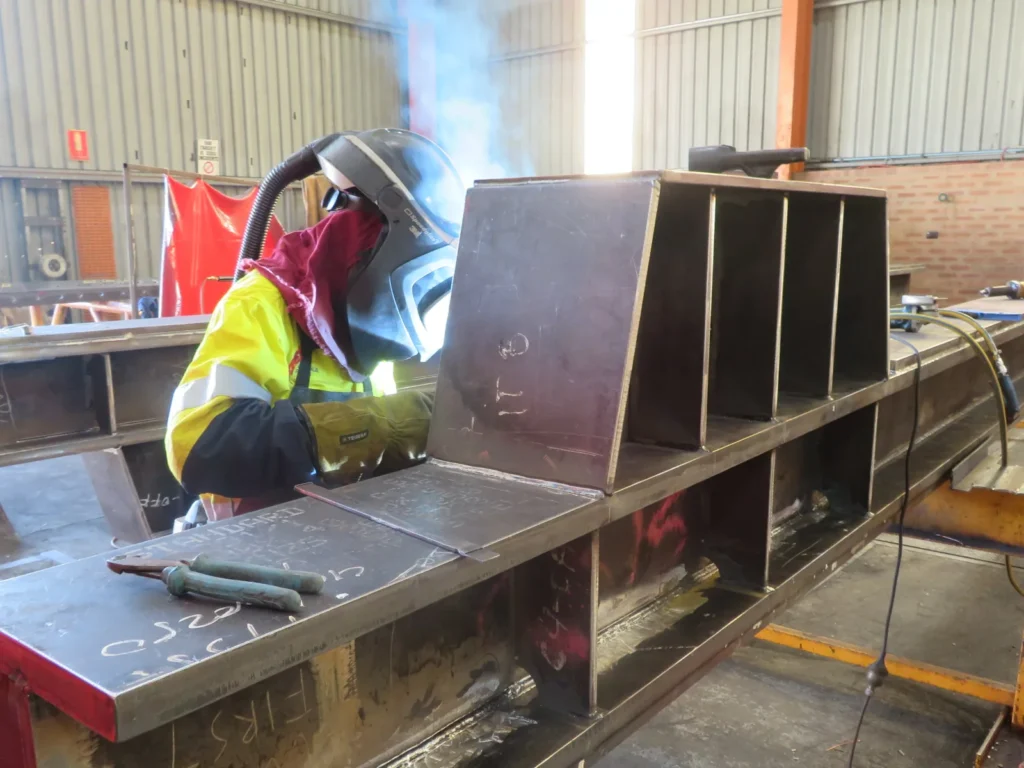
Where we come in
From design, through fabrication and erection, to commissioning and through-life support.
Infrastructure is a large part of our work.
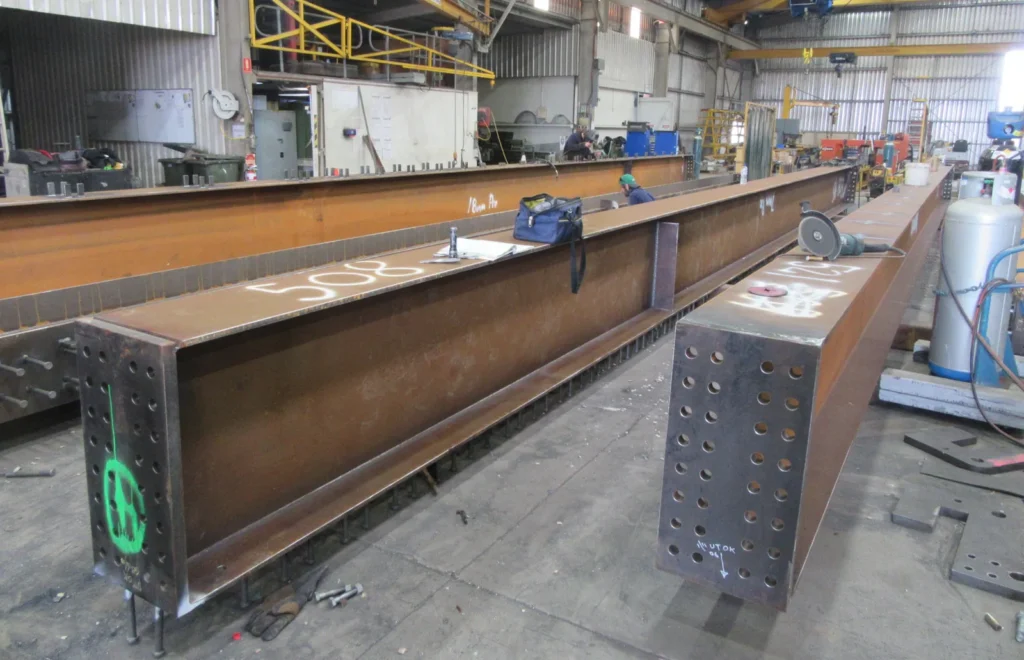
What we do
The Procedures, the People, the Inspection and the Records.
Compliance
- Welding procedures (WPS)Library of 3,250 qualified procedures / Underwritten
- Welder qualificationsNATA endorsed reports
- Welding management systemsAS/NZS 5131 / AS/NZS ISO 3834
- Vendor Quality ManagementAS/NZS 5131 / AS/NZS ISO 3834 / Supplier audits / Source inspection
- InspectionWelding / Coating / Poly pipe
- Welding supervision
- Project document reviewITPs / Procedures / NDT reports / MDRs
Optimisation
Standards
What Infrastructure Steelwork Is Built To.
- AS/NZS 5131Fabrication and erection of structural steelwork. The construction category, CC1 to CC4, sets the level of control. It has to be nominated, and CC2 applies where it is not.
- AS/NZS 1554Structural steel welding. Part 1 for steel structures, Part 2 for stud welding, Part 3 for reinforcing steel, Part 5 for structures under high fatigue loading, Part 6 for stainless steel.
- AS/NZS 5100.6Bridge design: steel and composite construction.
- AS 4100Steel structures.
- AS/NZS ISO 3834Quality requirements for fusion welding. AS/NZS 5131 recommends Part 3 for CC2, and Part 2 for CC3 and CC4.
- AS/NZS 2980 and AS/NZS ISO 9606-1Welder qualification for CC3 and CC4 work.
- ISO 14731Welding coordination for CC3 and CC4 work.
- Project SpecificationThe asset owner’s own specification: TfNSW, DIT, TMR.
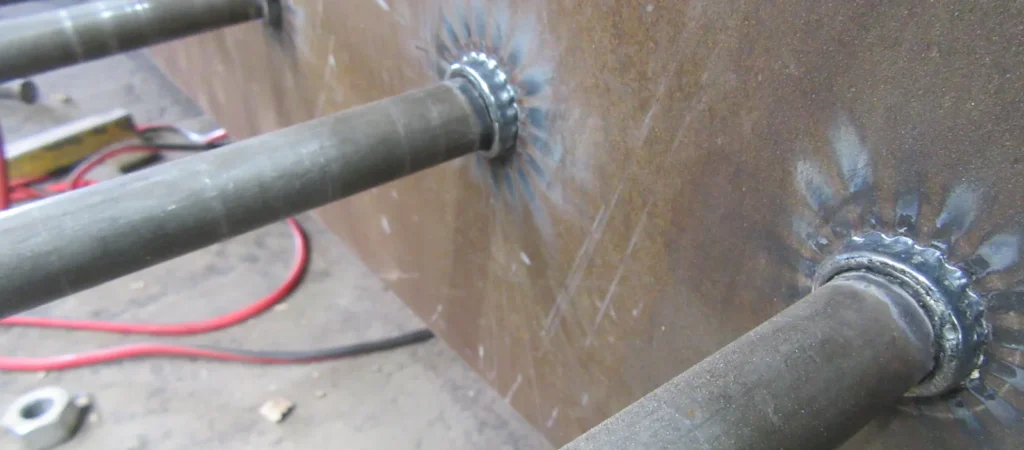
Guide to AS/NZS 1554 / Welding management systems, AS/NZS 5131 and ISO 3834
On the job
AS/NZS 5131 on the Drawing, and No Idea Where to Start.
In 2026 a regional South Australian fabricator doing reasonable quality work needed AS/NZS 5131 for a significant local council building, construction category CC3. They had bought the standard. They did not know what it meant for their shop, or where to start.
We went in and explained it from the fundamentals, on the shop floor. We began where any good welding management system begins: every machine in the business running correctly and consistently, with the values matching the WPS.
Then the key elements, brought in progressively: welding procedures, welder qualifications, inspection and test plans, and a process for visual inspection and NDT. The system was built around what they already do, and kept simple enough to understand and use.
It took three days off site and three days on their shop floor. We went back for their internal audit, and we were there on the day of the audit.
They got the job, and their client has the confidence that they have control of their process.
“Once someone walks you through it and shows you on the shop floor, rather than reading clauses out of a book, it is so much easier.”
The Job in Numbers
- Construction category
- CC3
- Welding procedures
- 6
- Welders qualified
- 5
- Welding machines checked
- 8
- Our time
- 3 days off site, 3 days on site, the internal audit and the audit day
Kept Independent
- Whoever supervises a job never inspects it.
- Whoever trains a welder does not test them.
- Procedures we weld ourselves do not carry the NATA endorsement, but we follow the same process.
Who Does the Work
Our own team. Every technician and engineer is trade qualified, and the work is signed off by an International Welding Engineer.